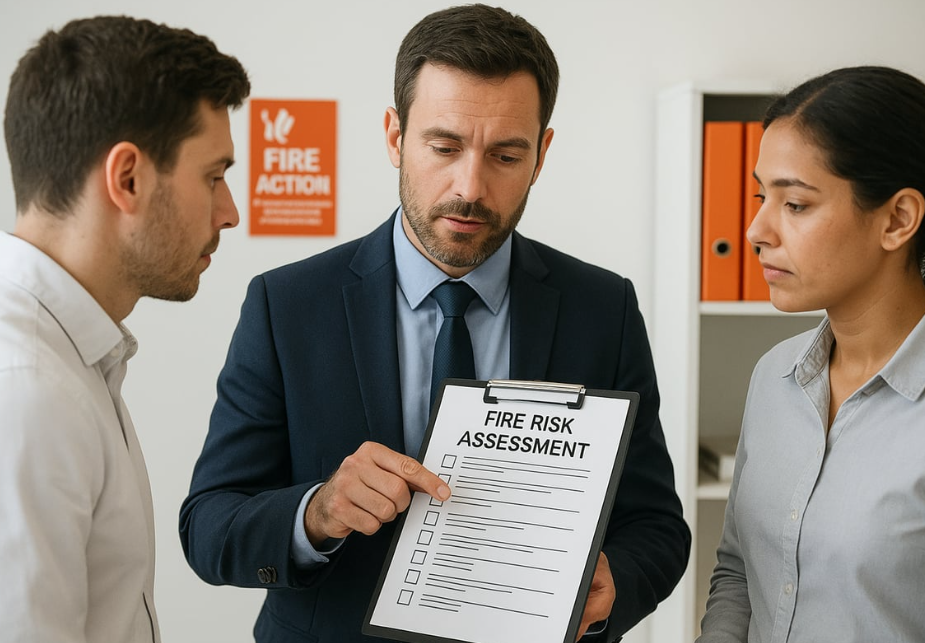
Why Fire Risk Assessment Is Essential for Landlords
A Fire Risk Assessment is one of the most important legal and moral responsibilities a landlord has. Rental properties often house multiple occupants who may not know the building layout well or understand fire safety procedures. This increases the risk of injury or loss of life during a fire emergency.
For landlords, a proper Fire Risk Assessment is not only about compliance—it is about protecting tenants, preserving property value, and reducing legal exposure. Fires in rental properties can result in severe damage, long-term vacancies, and reputational harm.
Fire Safety Risks in Rental Properties
Rental properties face unique fire risks due to:
- Multiple occupants with different habits
- Electrical appliances brought in by tenants
- Poor housekeeping in shared areas
- Blocked exits or fire doors
A Fire Risk Assessment helps identify these risks before they escalate.
Landlord Duty of Care
Landlords have a duty of care to ensure that tenants can live safely. Fire safety is a core part of this duty. Conducting and maintaining a Fire Risk Assessment shows that reasonable steps have been taken to prevent harm.
See also: Cybercrime and Technology
Legal Requirements for Landlord Fire Risk Assessment
UK Fire Safety Laws for Rental Properties
In the UK, landlords must comply with the Regulatory Reform (Fire Safety) Order 2005, which applies to common areas of rental properties such as hallways, staircases, and shared facilities. Additional requirements apply to Houses in Multiple Occupation (HMOs).
Who Is the Responsible Person
The landlord, managing agent, or property owner is usually the Responsible Person. This individual must ensure the Fire Risk Assessment is carried out and safety measures are maintained.
Properties That Require Fire Risk Assessment
HMOs and Apartment Blocks
HMOs and blocks of flats have higher fire risks due to shared spaces and multiple occupants. Fire Risk Assessment is mandatory and must be thorough.
Flats, Houses, and Shared Accommodation
While individual dwellings may have fewer requirements, common areas still require a Fire Risk Assessment.
Common Fire Hazards in Rental Properties
Electrical and Appliance Risks
Typical hazards include:
- Old or damaged wiring
- Overloaded extension leads
- Faulty appliances
Tenant-Related Fire Risks
These may involve:
- Smoking indoors
- Candles and portable heaters
- Blocking escape routes
Landlords must educate tenants and enforce safety rules.
Step-by-Step Fire Risk Assessment for Landlords
Step 1: Identify Fire Hazards
Inspect all common areas, electrical systems, and storage spaces for ignition sources and combustible materials.
Step 2: Identify People at Risk
Consider tenants, visitors, children, elderly occupants, and those with disabilities.
Step 3: Evaluate and Reduce Fire Risks
Install alarms, emergency lighting, fire doors, and signage where necessary.
Step 4: Record Findings and Take Action
All findings must be documented, and identified issues must be addressed promptly.
Step 5: Review and Update
Fire Risk Assessment should be reviewed regularly, especially after property changes or incidents.
Fire Safety Measures Landlords Must Provide
Landlords are typically required to provide:
- Smoke and heat alarms
- Fire-resistant doors
- Clear escape routes
- Emergency lighting in common areas
These measures significantly reduce fire-related injuries.
Fire Risk Assessment for HMOs
HMOs require enhanced fire safety measures such as interconnected alarms, fire extinguishers, and detailed evacuation plans.
How Often Should Landlords Review Fire Risk Assessment?
Reviews should take place:
- Annually
- After refurbishment
- When tenant occupancy changes
- Following a fire or near-miss
Penalties for Non-Compliance
Failing to conduct a Fire Risk Assessment can result in:
- Heavy fines
- Prosecution
- Banning orders
- Imprisonment in severe cases
Professional Fire Risk Assessment vs DIY
Small, low-risk properties may allow landlords to conduct assessments themselves. However, professional assessors provide expertise and reduce legal risk, especially for HMOs.
Frequently Asked Questions (FAQs)
1. Do landlords legally need a Fire Risk Assessment?
Yes, especially for common areas and HMOs.
2. Are tenants responsible for fire safety?
Tenants must act responsibly, but legal responsibility rests with the landlord.
3. How much does a Fire Risk Assessment cost?
Costs vary but are affordable compared to penalties or damages.
4. Do single-let properties need one?
Common areas do; individual flats have fewer requirements.
5. Can managing agents handle Fire Risk Assessment?
Yes, but responsibility still lies with the landlord.
6. What is the biggest fire risk in rentals?
Electrical faults and tenant behavior.
Conclusion
A Fire Risk Assessment is essential for landlords to meet legal obligations and protect tenants from fire hazards. By identifying risks, implementing safety measures, and reviewing regularly, landlords can create safer homes and avoid serious legal consequences. Investing in fire safety is an investment in people, property, and peace of mind.