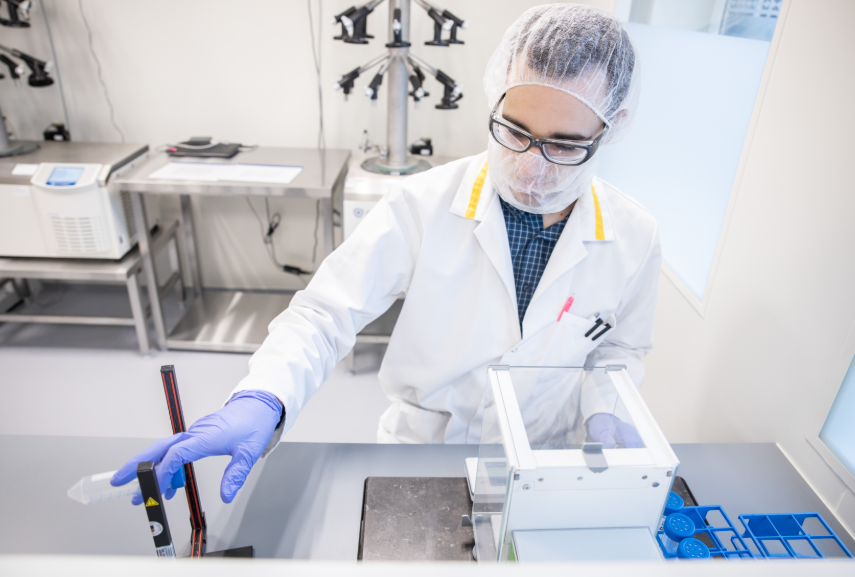
A peptide manufacturer plays a vital role in today’s pharmaceutical, biotechnology, and research industries. As peptides continue to gain importance in drug development, diagnostics, and wellness applications, selecting the right manufacturing partner has become more critical than ever. This guide explores how peptide manufacturers operate, what standards they follow, and how to choose the best one for your needs.
Understanding What a Peptide Manufacturer Is
A peptide manufacturer is a specialized company that produces peptides through advanced chemical and biological synthesis processes. These peptides are used in laboratories, clinical research, pharmaceuticals, cosmetics, and therapeutic treatments.
Definition and Role in the Pharmaceutical Industry
Peptide manufacturers support innovation by supplying high-purity peptides used in drug discovery and medical research. Their work enables scientists to study disease mechanisms, develop targeted therapies, and improve patient outcomes.
See also: Fire Risk Assessment for Landlords: A Complete Legal and Safety Guide for Rental Properties (2026)
Importance of Peptides in Modern Science
Peptides act as signaling molecules in the human body. Because of their specificity and effectiveness, they are widely used in hormone therapy, cancer treatments, vaccines, and metabolic research.
Types of Peptides Produced by Manufacturers
Different industries require different peptide grades, and manufacturers must meet these varied demands.
Research-Grade Peptides
These peptides are primarily used in academic and laboratory research. They are produced with high purity but are not intended for human consumption.
GMP-Grade Peptides
Good Manufacturing Practice (GMP) peptides meet strict regulatory standards and are suitable for clinical trials and pharmaceutical applications.
Custom Peptide Synthesis
Custom synthesis allows researchers and companies to order peptides with specific sequences, modifications, or quantities tailored to their projects.
How Peptides Are Manufactured: Step-by-Step Process
Understanding the manufacturing process helps businesses evaluate a peptide manufacturer’s expertise.
Solid-Phase Peptide Synthesis (SPPS)
SPPS is the most widely used method for peptide production.
Raw Material Selection
High-quality amino acids and resins are carefully selected to ensure purity and consistency.
Chain Assembly and Cleavage
Amino acids are added sequentially to form a peptide chain, which is later cleaved from the resin.
Purification and Quality Control
High-performance liquid chromatography (HPLC) and mass spectrometry are used to purify and verify peptide structure and purity.
Quality Standards Every Peptide Manufacturer Must Follow
Quality assurance is the backbone of peptide production.
GMP and ISO Certifications
Reputable manufacturers follow GMP guidelines and often hold ISO certifications to ensure consistent quality and regulatory compliance.
Analytical Testing Methods
Manufacturers use rigorous testing methods to confirm peptide identity, purity, and stability before delivery.
Key Factors to Consider When Choosing a Peptide Manufacturer
Choosing the right partner can save time, money, and regulatory headaches.
Manufacturing Capacity and Scalability
A reliable peptide manufacturer should handle small research batches as well as large-scale commercial production.
Regulatory Compliance and Documentation
Proper documentation, batch records, and certificates of analysis are essential, especially for clinical and pharmaceutical use.
Turnaround Time and Customer Support
Fast production timelines and responsive customer service are indicators of a professional manufacturer.
Applications of Peptides Across Industries
Peptides are incredibly versatile.
Pharmaceuticals and Drug Development
They are used in treatments for cancer, diabetes, cardiovascular diseases, and rare disorders.
Biotechnology and Research
Peptides help researchers understand biological pathways and develop innovative therapies.
Cosmetics and Wellness
In skincare and wellness products, peptides support collagen production and anti-aging formulations.
Global vs Local Peptide Manufacturers
Both options have advantages depending on your needs.
Advantages of Global Suppliers
Global manufacturers often offer advanced technology, large-scale capacity, and competitive pricing.
Benefits of Local Manufacturing
Local suppliers may provide faster shipping, easier communication, and better regulatory alignment.
Challenges Faced by Peptide Manufacturers
Despite advancements, challenges remain.
Regulatory Hurdles
Strict global regulations require constant compliance updates and audits.
Cost and Supply Chain Issues
Raw material shortages and rising costs can impact production timelines and pricing.
FAQs About Peptide Manufacturer
1. What does a peptide manufacturer do?
A peptide manufacturer produces synthetic peptides for research, pharmaceutical, and commercial applications.
2. Are all peptides safe for human use?
No. Only GMP-grade peptides approved through clinical trials are suitable for human use.
3. How long does peptide manufacturing take?
Production timelines vary but typically range from a few days to several weeks depending on complexity.
4. What certifications should a peptide manufacturer have?
Look for GMP, ISO, and regulatory compliance certifications.
5. Can manufacturers produce custom peptides?
Yes, most reputable manufacturers offer custom peptide synthesis services.
6. Where can I learn more about peptide standards?
You can explore official guidelines from organizations like the FDA at .
Conclusion: Finding the Right Peptide Manufacturing Partner
Selecting the right peptide manufacturer is essential for ensuring quality, compliance, and success in research or commercial applications. By understanding manufacturing processes, quality standards, and industry challenges, businesses and researchers can make informed decisions and build long-term partnerships that drive innovation and growth.